During the middle part of the summer intensive we engaged with the overarching themes of education and then more specific learning to plan and run a classroom. This really does put the ‘intensive’ in summer intensive.
Standards
There are three foundational professional documents that we have looked a closely over the past seven weeks. They are: The New Zealand Curriculum, Code of Proffesional Responsibilities and Standards, Tapasā, and Tātaiako .
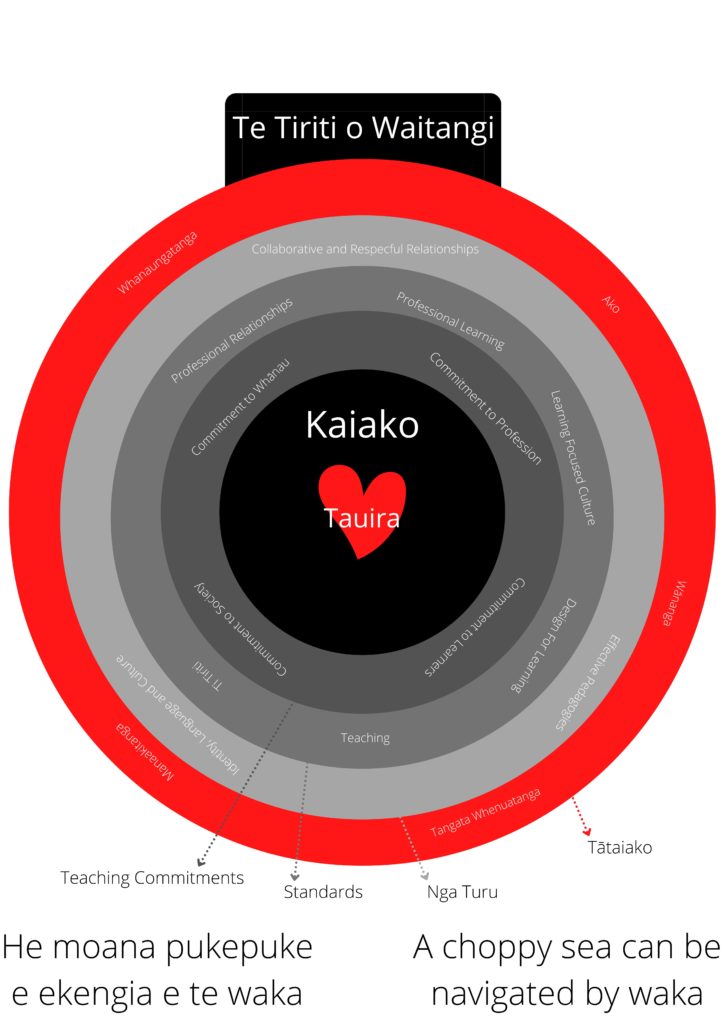
Links between the foundational documents of teaching competency in Aotearoa
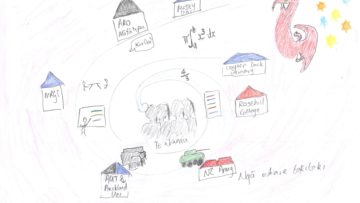
Above is a diagram that best explains how I think the three documents fit together. It is a little bit of a simplistic view, because all of the standards and competencies rely on each other, especially in Tātaiako, where there are overlaps between each of the themes within the document. One example of this overlap, and mutal agreement of the documents is as follows:
Tātaiako’s ako competency is about teaching and learning in effective ways for all tauira which relates to Turu 3 in Tapasā is about effective pedagogies for Pacific Learners, which also relates to the commitment to the teaching profession by “providing high-quality and effective teaching” . Moreover, this relates to Ako Mātātupu’s value of Practicing Excellence, which is about using the best practice in the classroom. While on the surface it might seem like these are competing ideas, in reality they are pointing to the same thing, good varied teaching practice that is research based. The goal should always be to improve teaching and learning for all tauira. Relationship learning based on the idea of ako is a very good model for achieving this in the classroom , and meets all the aforementioned requirements.
Other areas of the standards, commitments, Tapasā turu and tātaiako compentencies also follow a similar overlap, and are mostly able to be implemented concurrently through being a thoughtful, communicative, open-minded and dedicated practitioner, and working in concert with colleagues to adjust as necessary. On the outer edge of my image we find Te tiriti o Waitangi, which we should use as a guide to this adjustment and refining process.
New Zealand Curriculum
The New Zealand Curriculum first outlines the key competencies we want for New Zealanders and hence our young people. That includes ”
The New Zealand Curriculum is also a broad overview of what we should be teaching in the classroom. It includes x, y and z. However, the document does not give us quite enough direction to teach in a specific area with limited descriptions of what students should know and be able to do at each level. I teach Mathematics, so we also have nzmaths.co.nz, which is part of Te Kete Ipurangi, a website with many teaching and learning resources across the curriculum. The NZ Maths website provides a better breakdown for each point of the curriculum that students should know.
For example, the New Zealand Curriculum states under the Level 6, Mathematics and Statistics standard for Transformation that tauira need to be able to “compare and apply single and multiple transformations” . However, this is not enough information in and of itself to teach anything. Fortunately, NZ Maths has the CurriculumElaborations for each of the achievement objectives. For the achievement objective above (GM6-8) we have indicators which give a better breakdown of exactly what is required. For GM6-8 this includes the types of transformations students need to understand, understanding the key features of transformations and linking to other achievement objectives . There are also lesson plans, or sometimes just ideas for a lesson plan that includes some relevant context.
Task Two: Dream up your own Curriculum Document
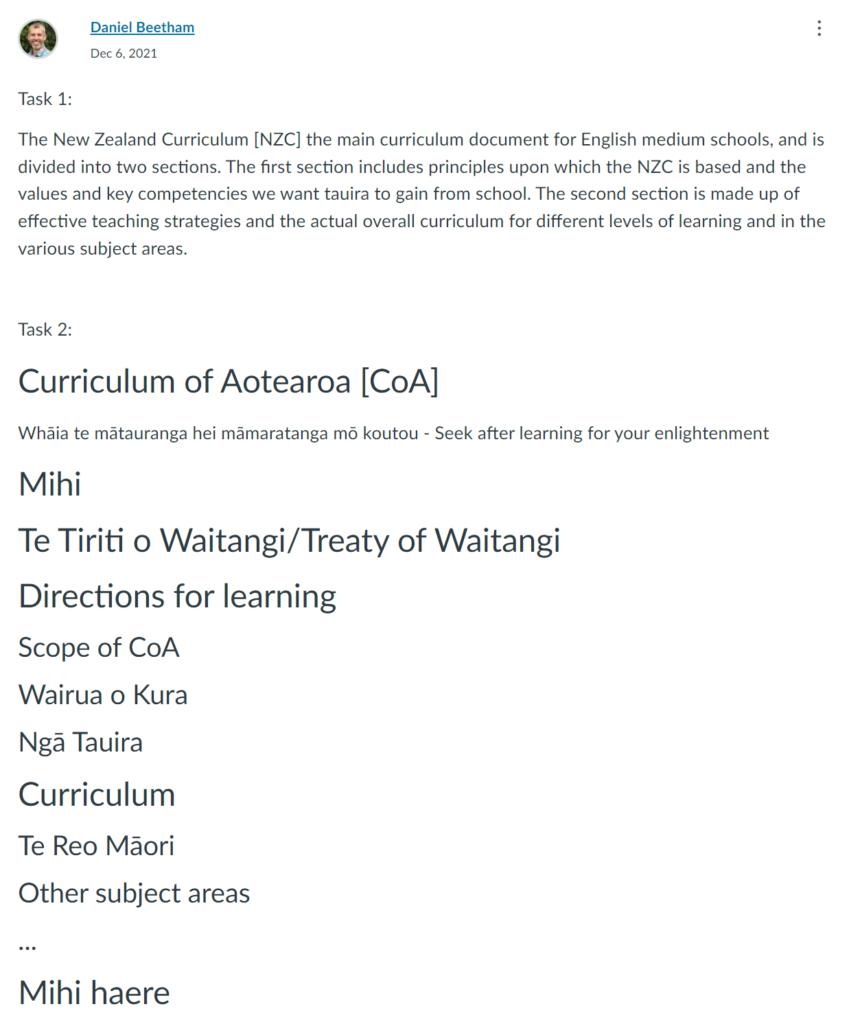
We also got the opportunity to rethink the New Zealand Curriculum. Above is a post that outlines the headings for my New Zealand Curriculum ‘refresh’. It includes similar layout to the current New Zealand Curriculum, but critically has Wairua o Kura and Ngā Tauria sections to focus on the relational aspects of teaching prior to thinking about subject areas. It also puts a focus on the spirit of a kura and how this can impact on tauira. This might include all the ways in which behaviour is managed, whether detention is used or restorative justice practices in the school, as well as how staff and students are expected to interact. It also places re reo Māori in it’s own section first. I image under the Curriculum of Aoteroa, that te reo Māori would a normal part of the classroom along side other subject areas.
One additional thing I’ve learnt is that revision for an assessment does not have mean going over the formative test. You could ask an open ended question that covers many different aspects of the work you are trying to cover to for tauira to check their own understanding.
I’m looking forward to receiving my feedback from the course design and lesson plan, so I can refine how I go about planning my lessons. I also look forward to seeing what is available in my kura, MRGS, and working with my colleagues and mentor so I can improve my lesson planning skills.
Kia ora, ko Daniel ahau! This is my space for sharing my Ako Portfolio. If you want to find more about about me, please visit my main website at danielbeetham.com